Tilak, Attar & Dhoop
The fragrance and sacred marks of worship — natural attar, tilak and dhoop from the holy land.
42 products · from ₹20
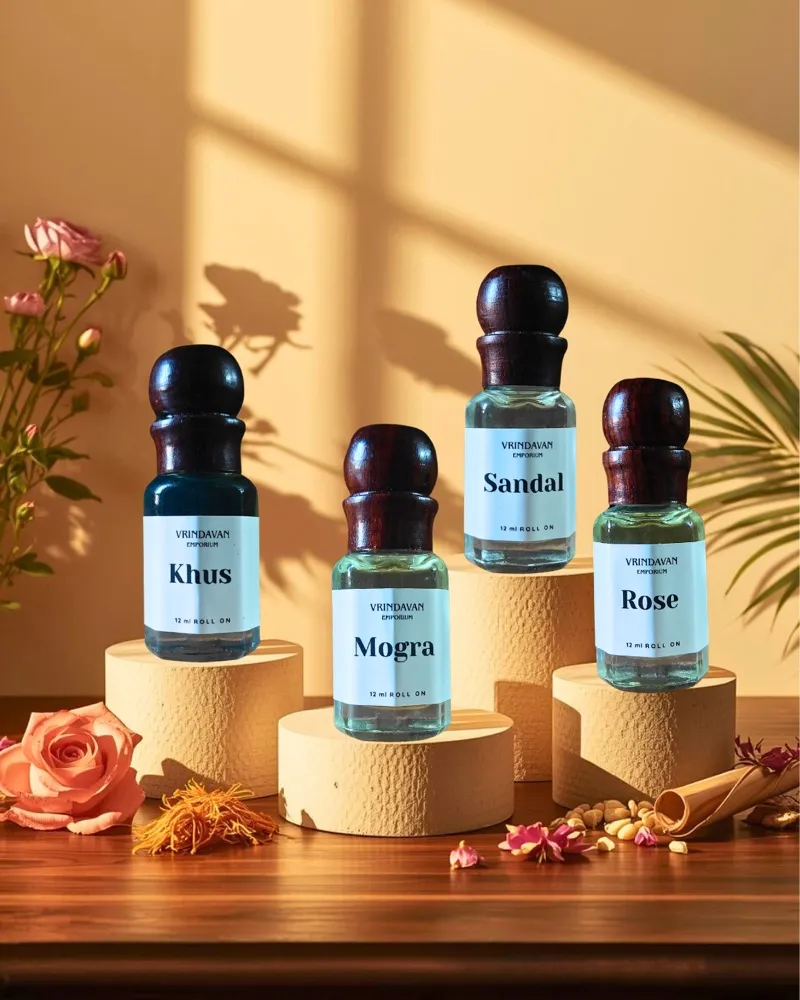
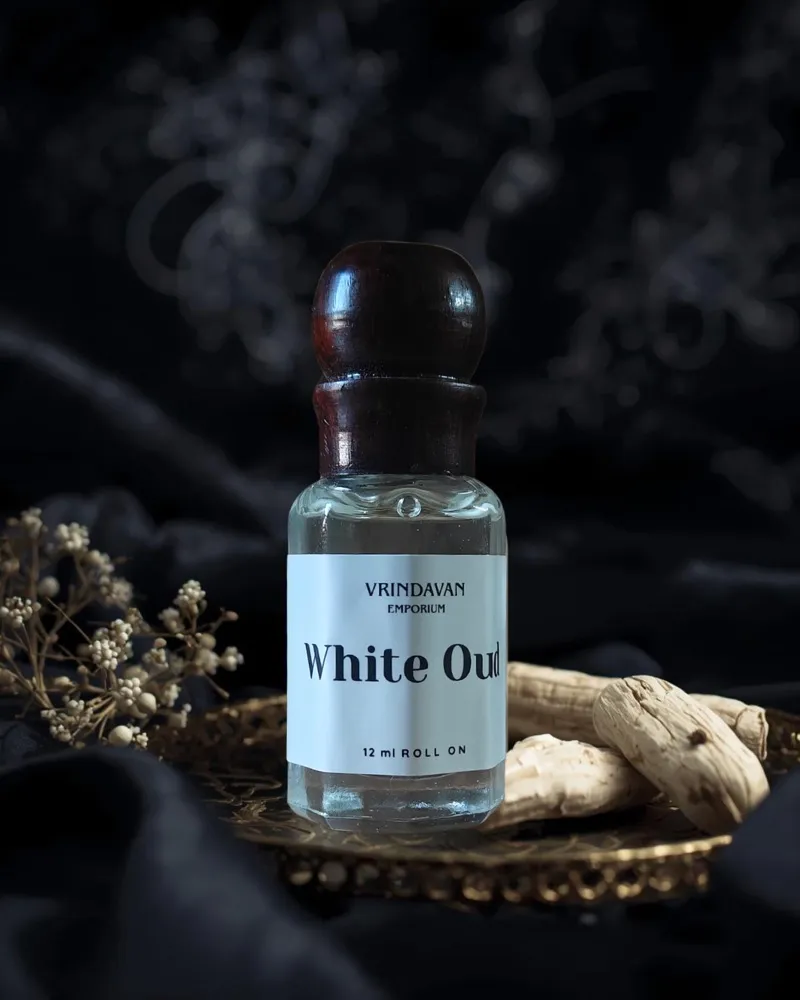
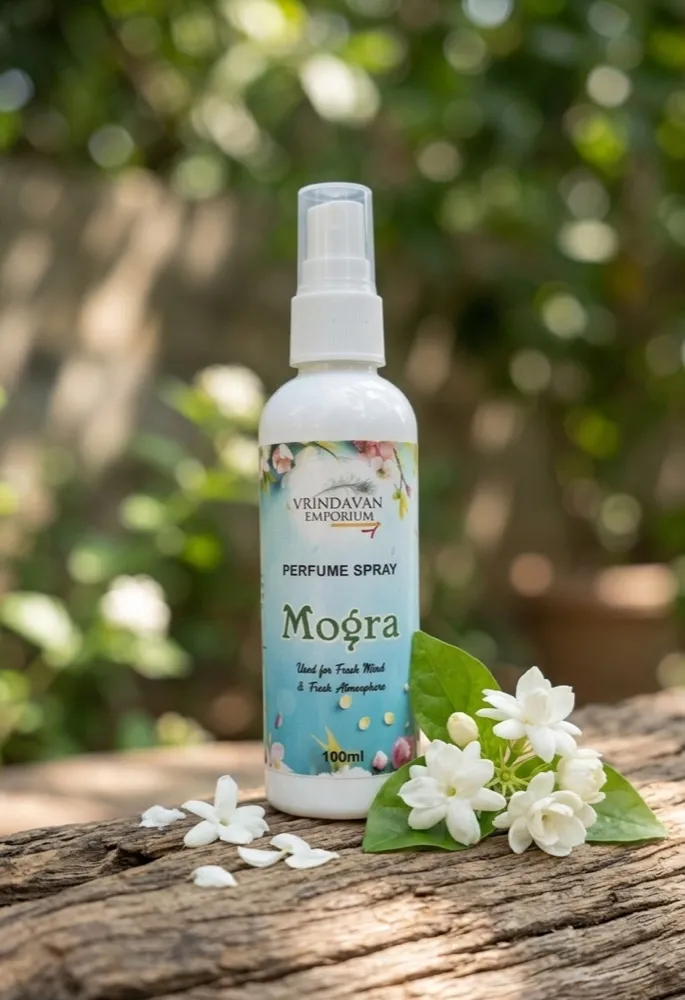
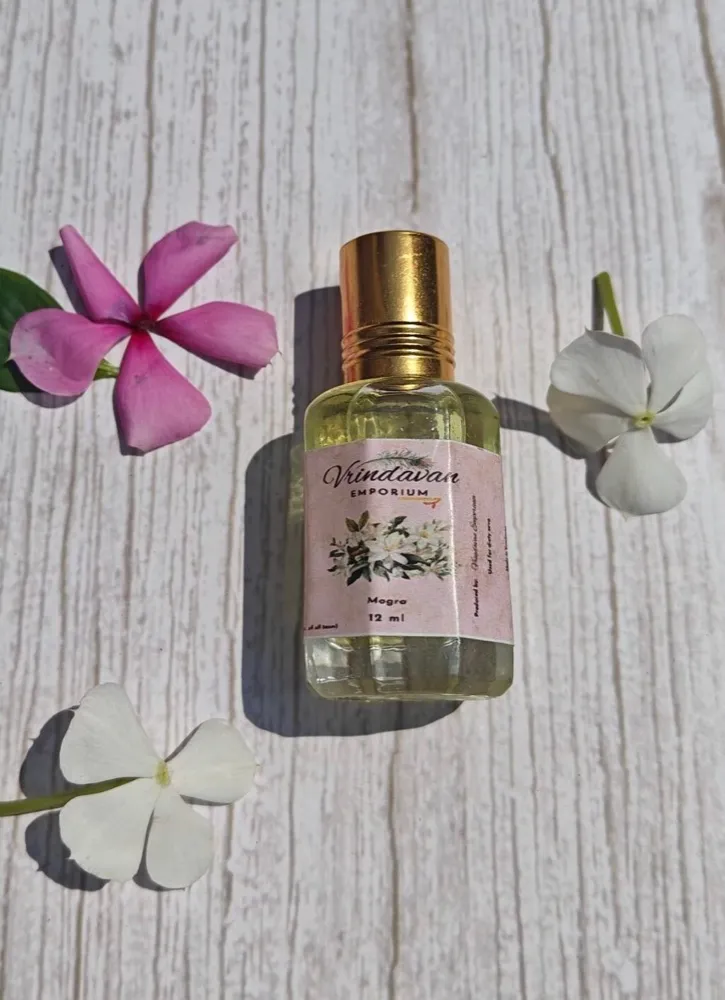
Premium Summer Attar Combo – Sandal, Rose, Khus & Mogra | Alcohol Free Seva Attars
Natural Attar
₹1,099₹2,200
In stock
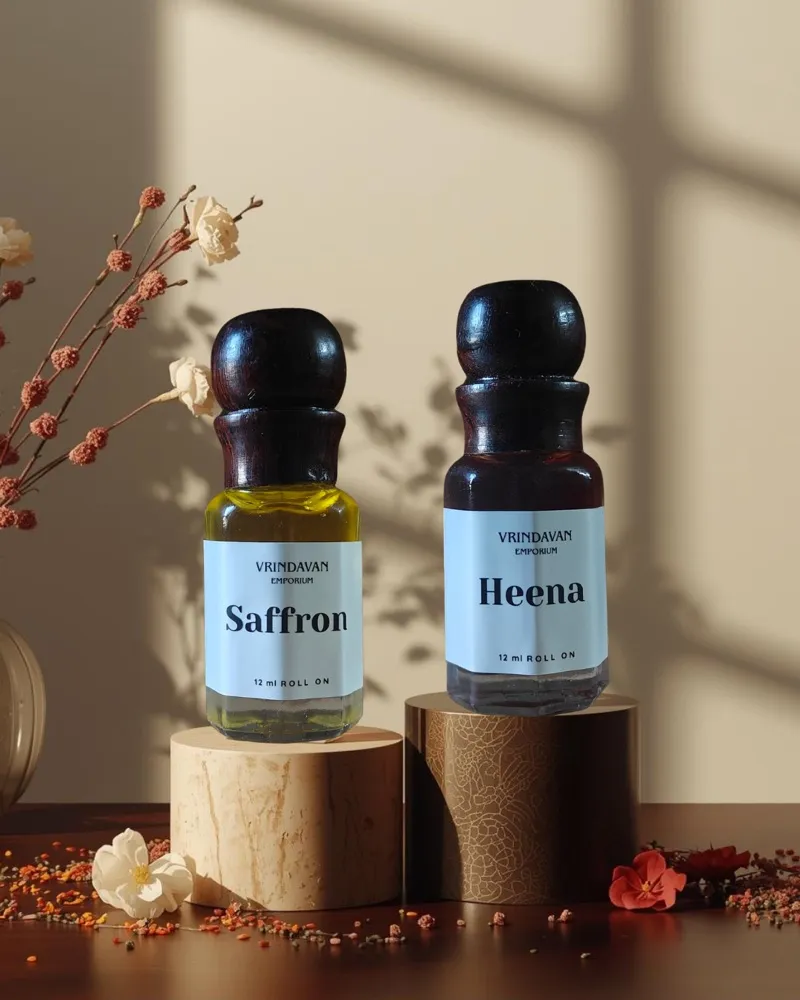
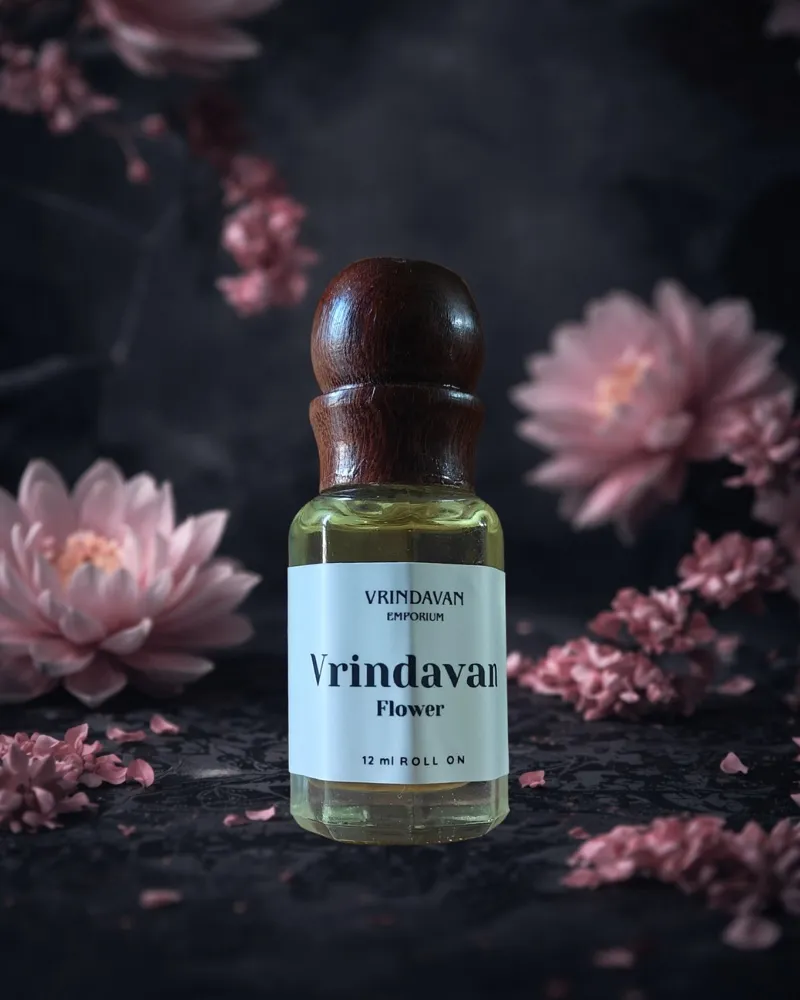
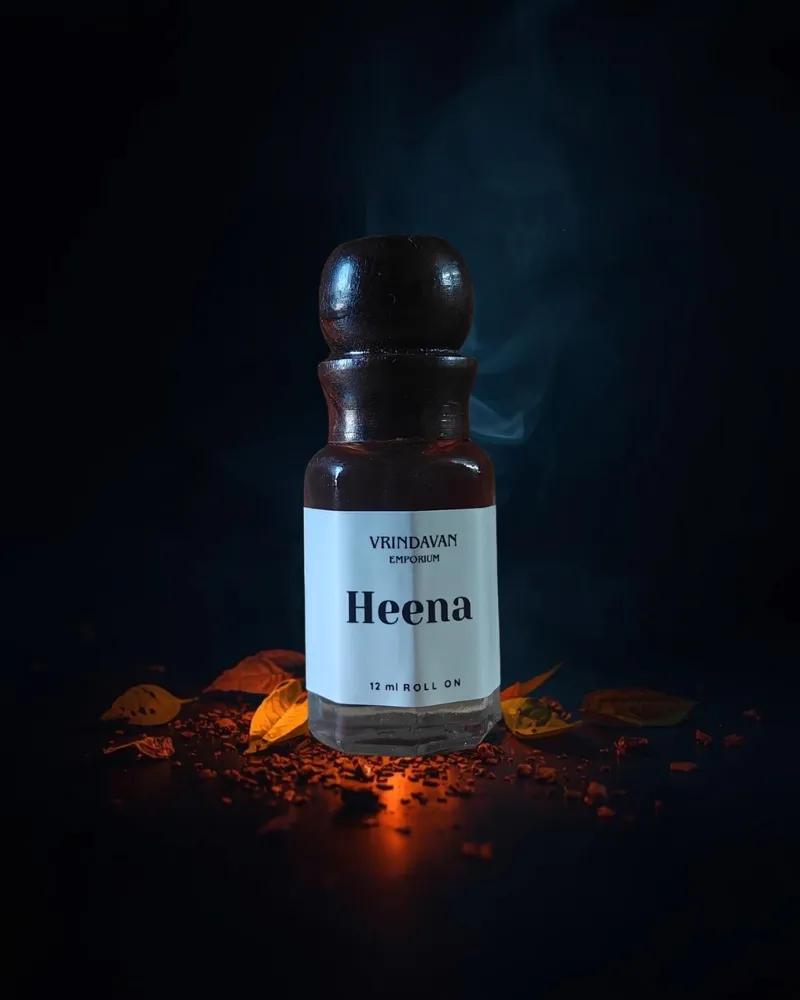
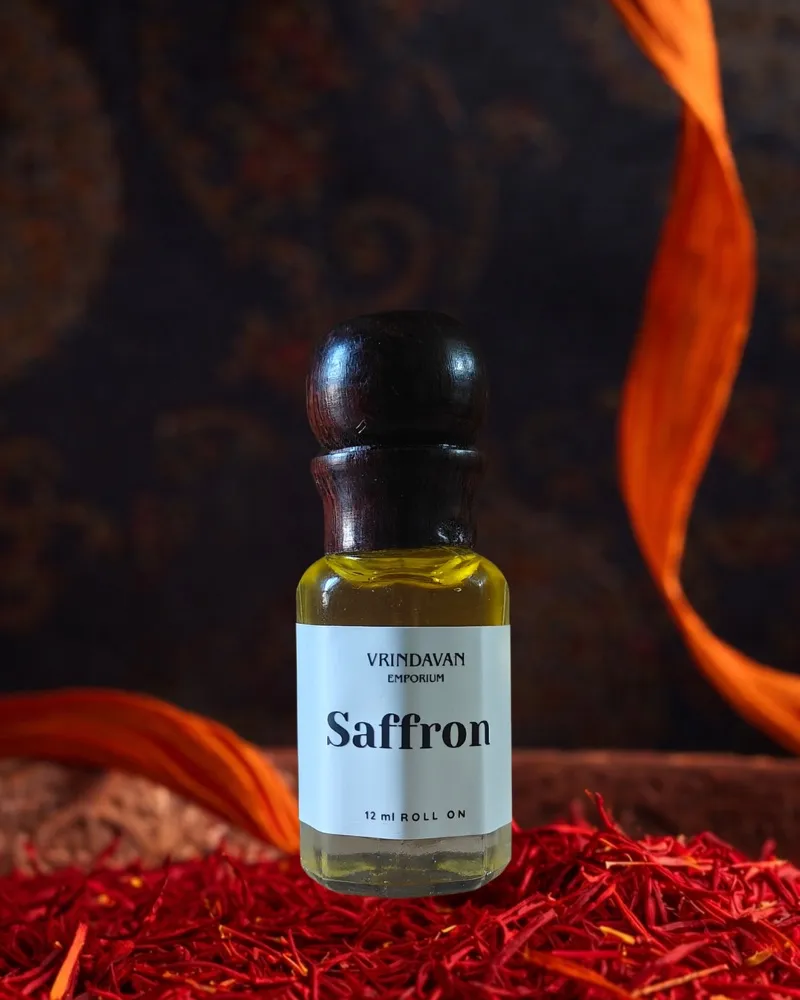
Saffron and Heena Premium Winter Combo Attar – Alcohol Free Long Lasting Seva Attars for Shreeji & Thakurji
Natural Attar
₹559₹1,100
In stock
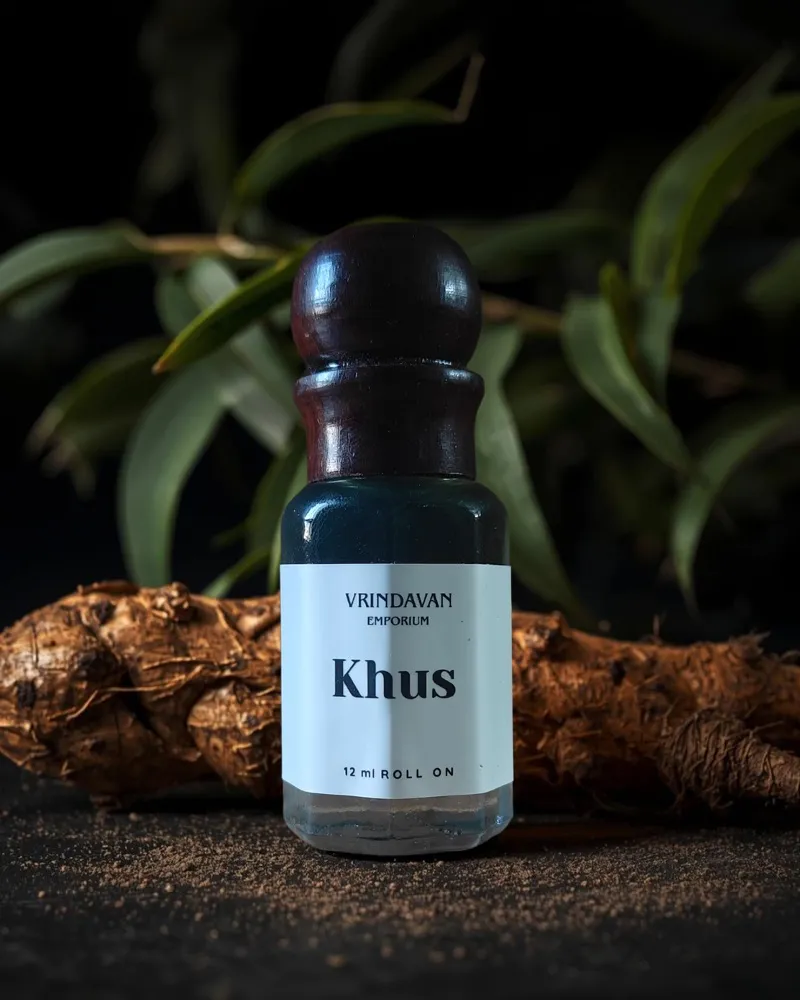
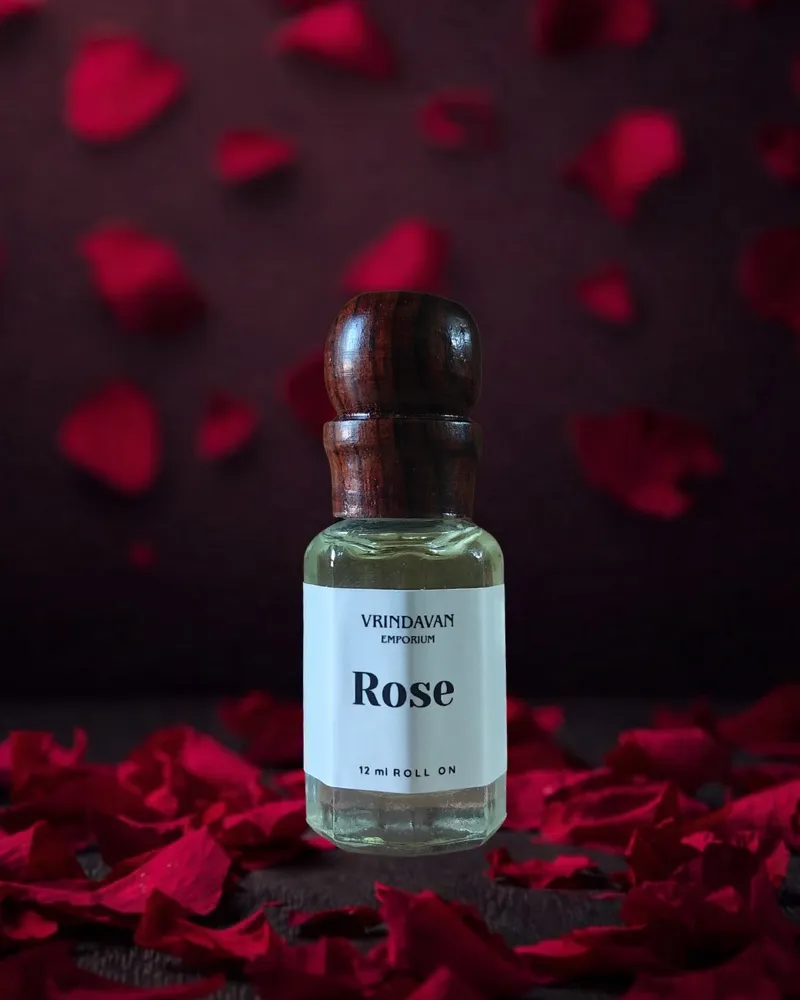
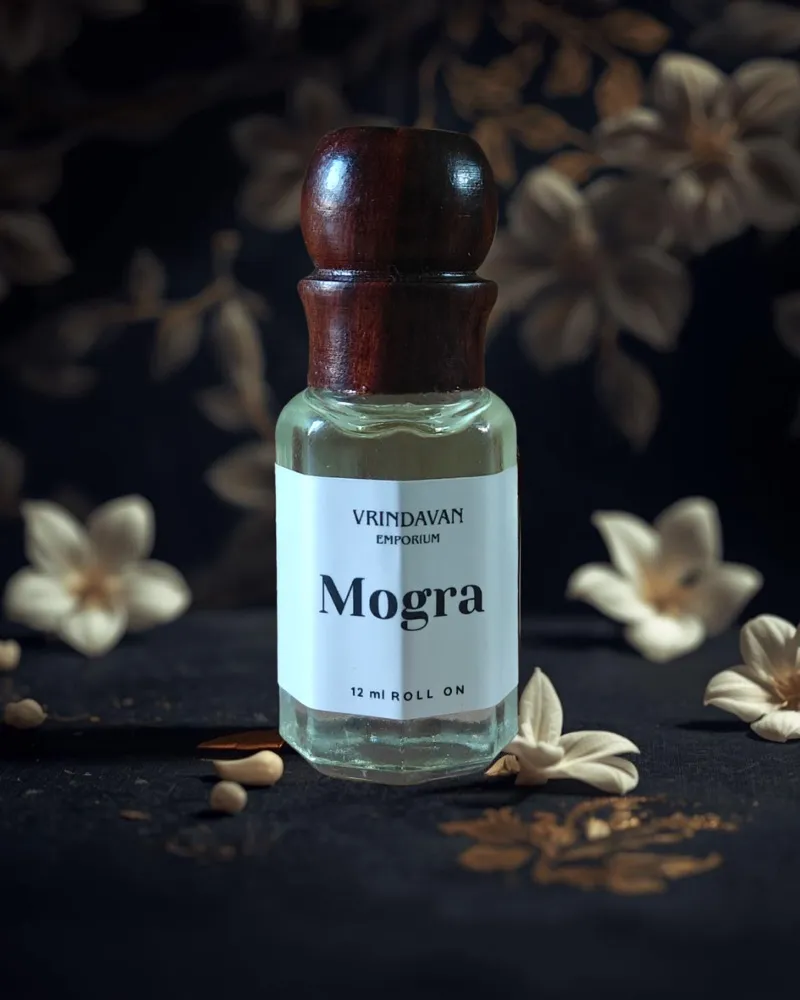
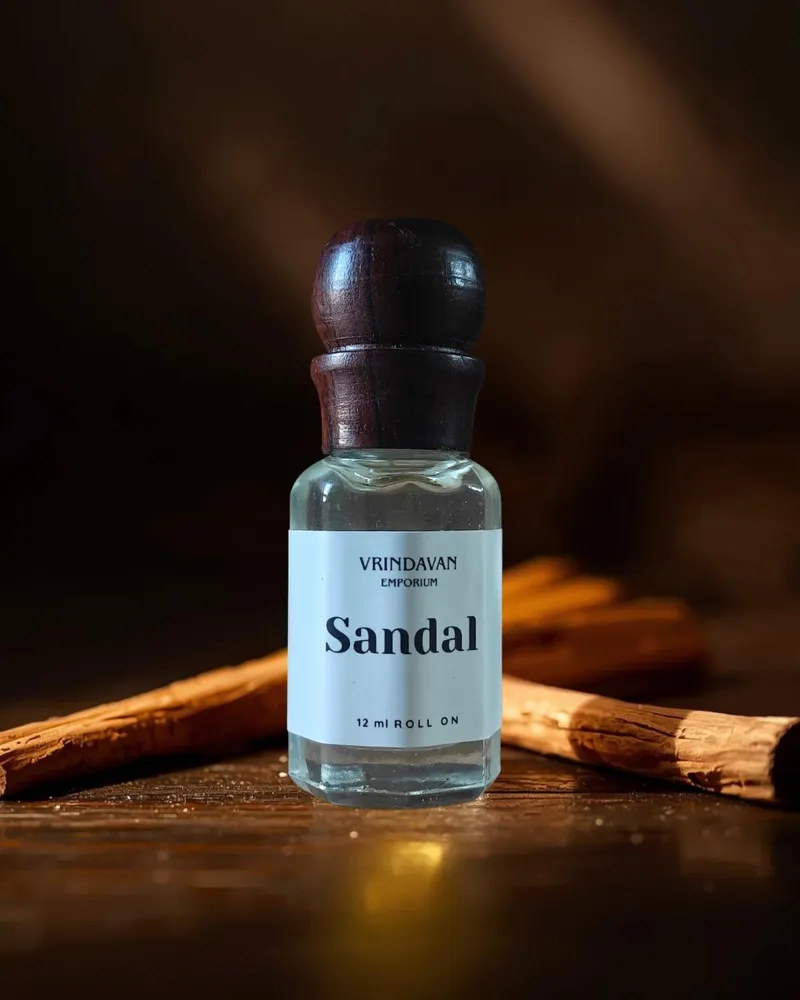
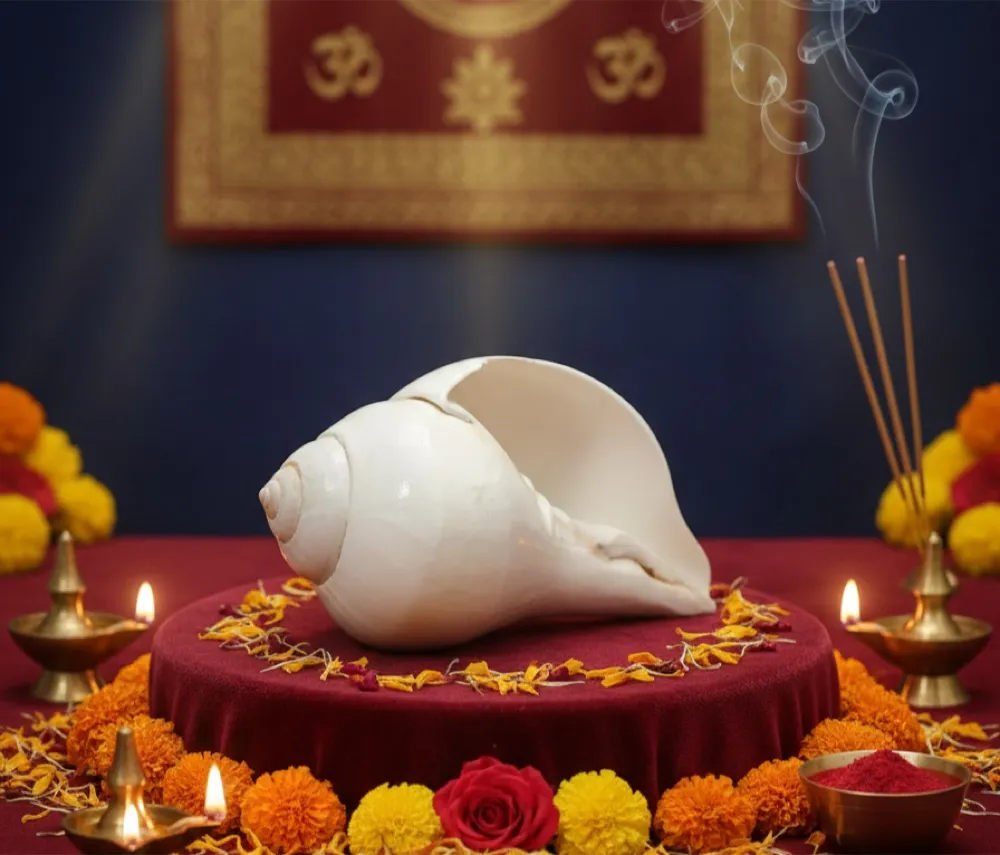
Vamavarti Blowing Shankh (5 Inch) – Natural Left-Turning Conch Shell for Puja, Aarti & Rituals
Tirumala Nambi Peetam
₹990₹1,550
Only 1 left
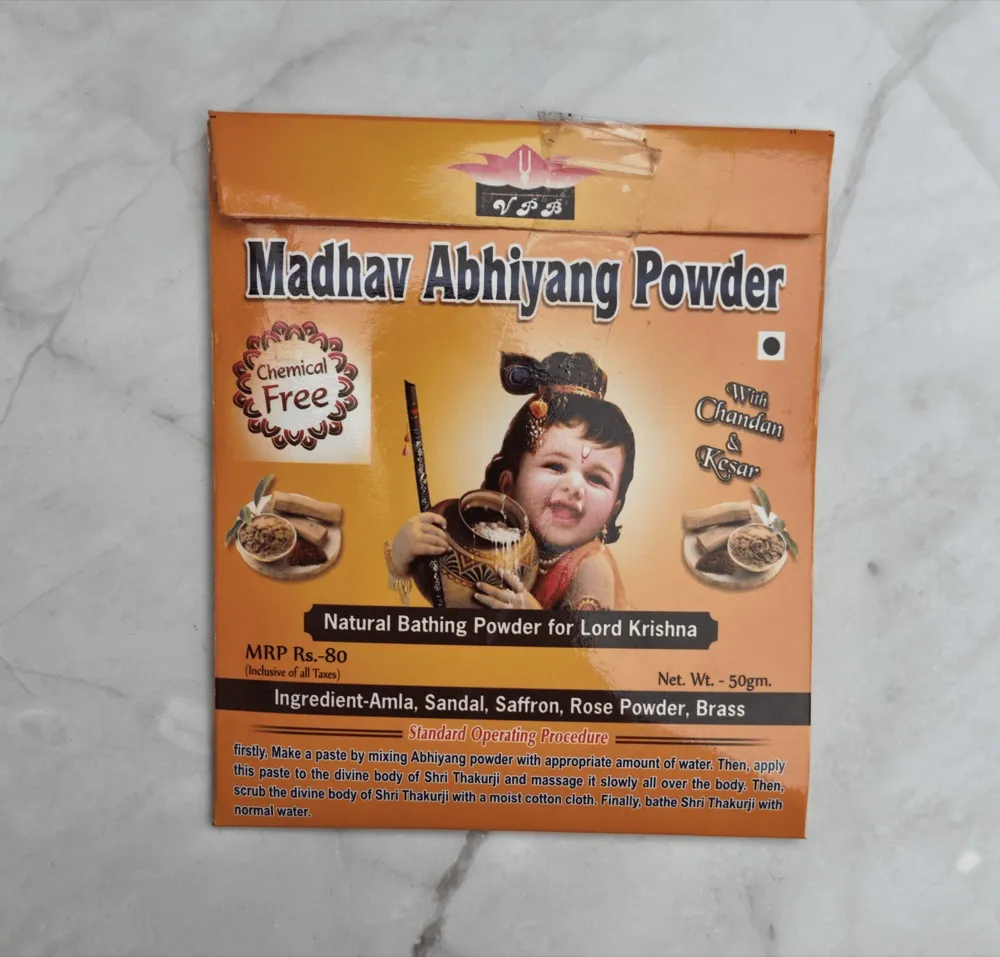
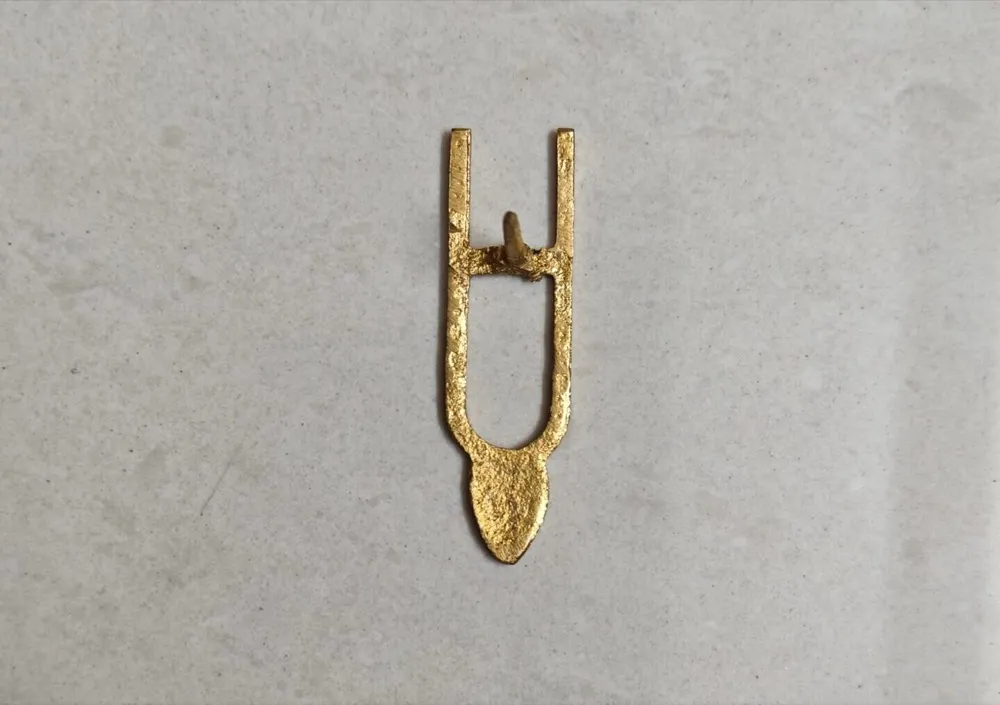
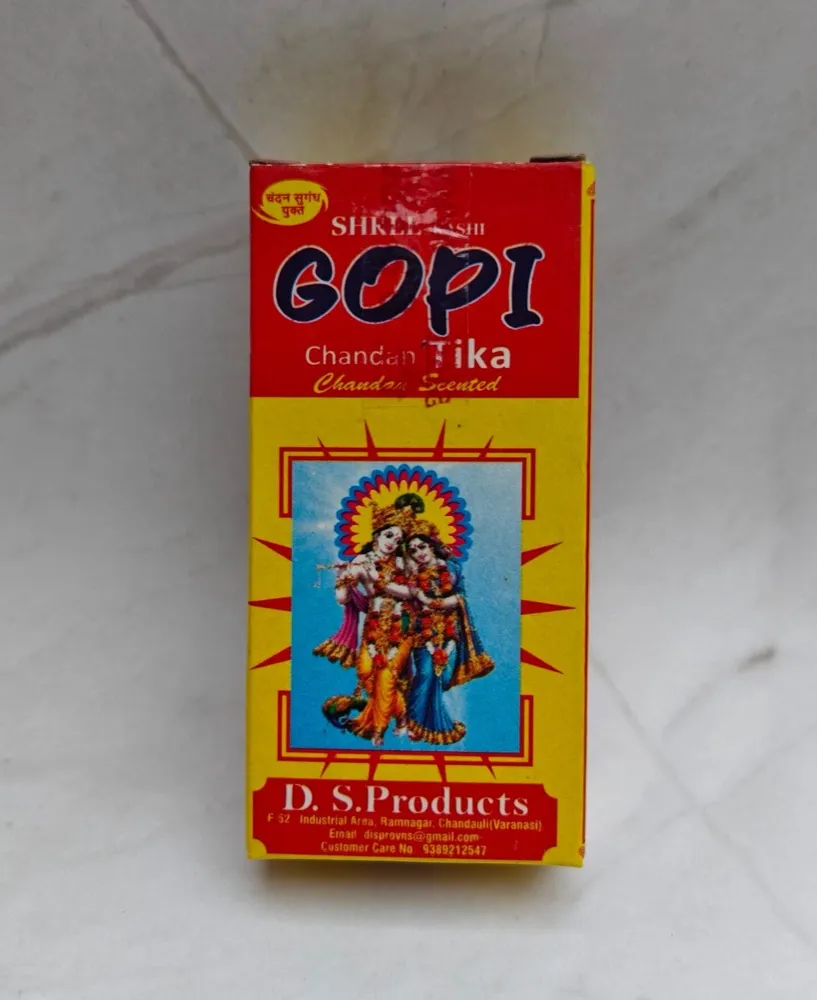
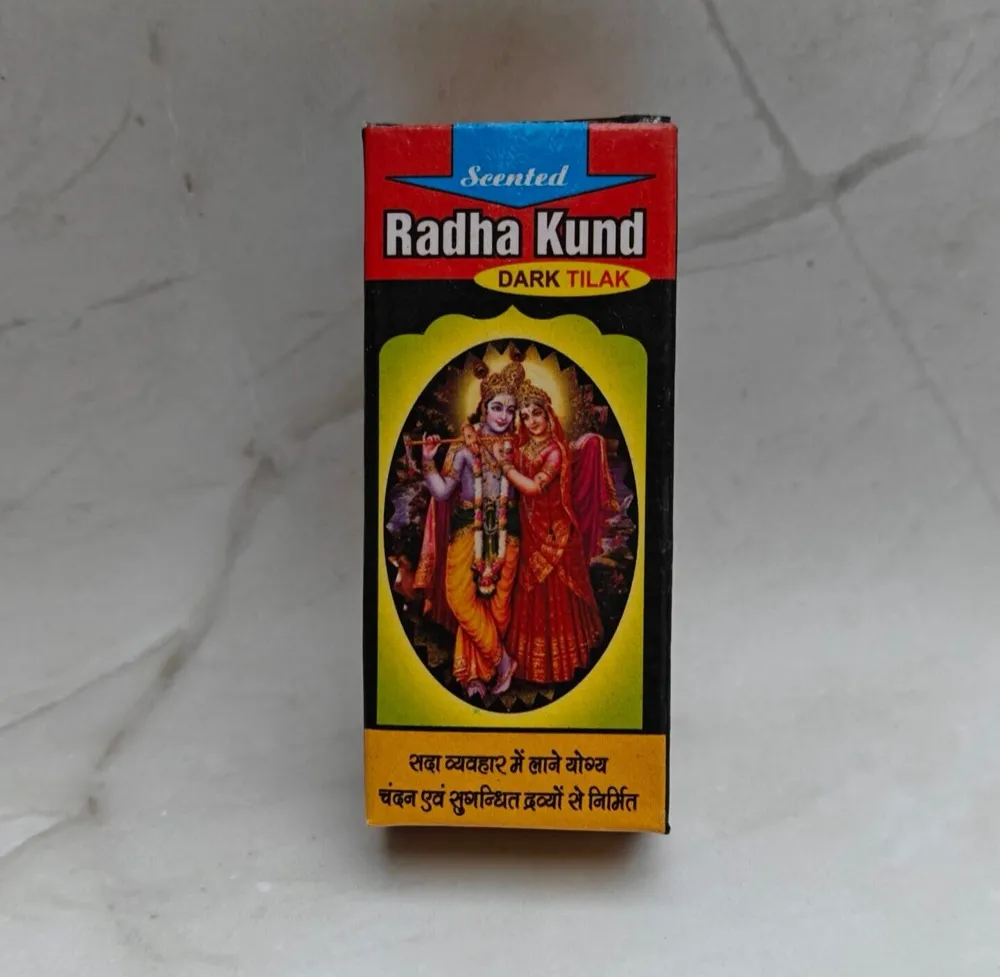
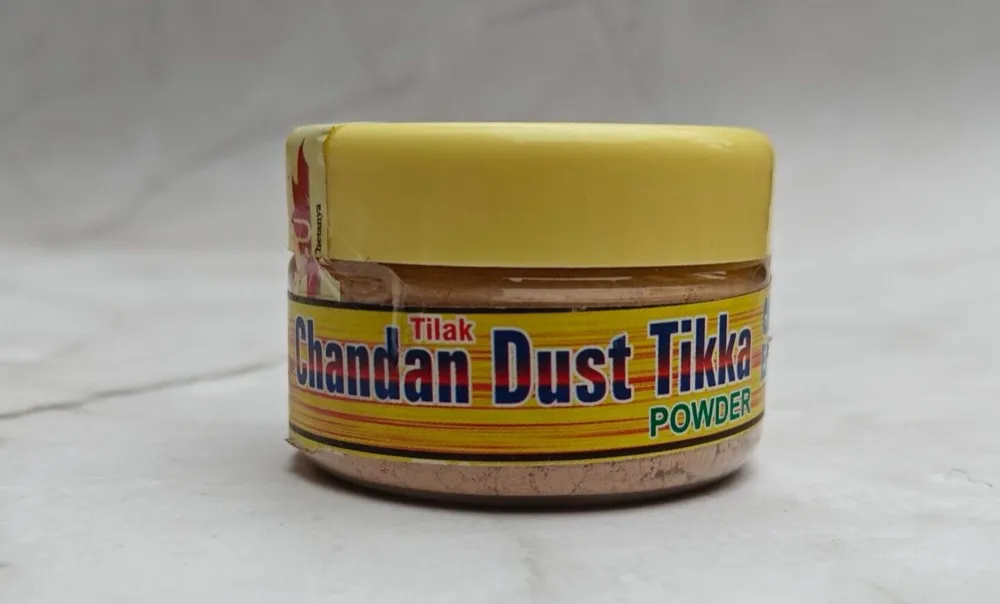
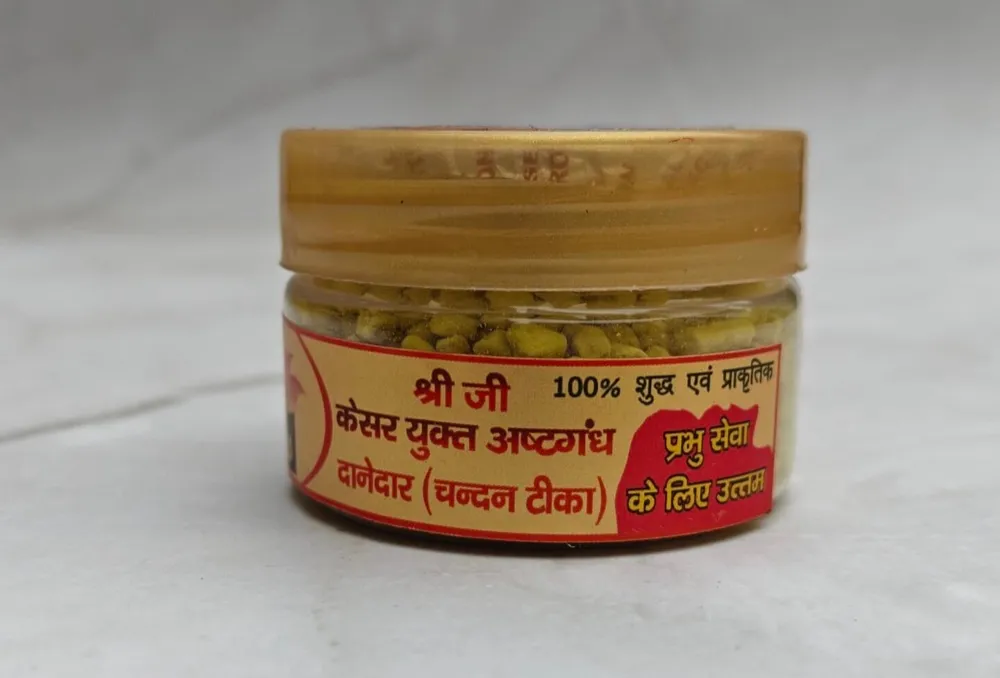
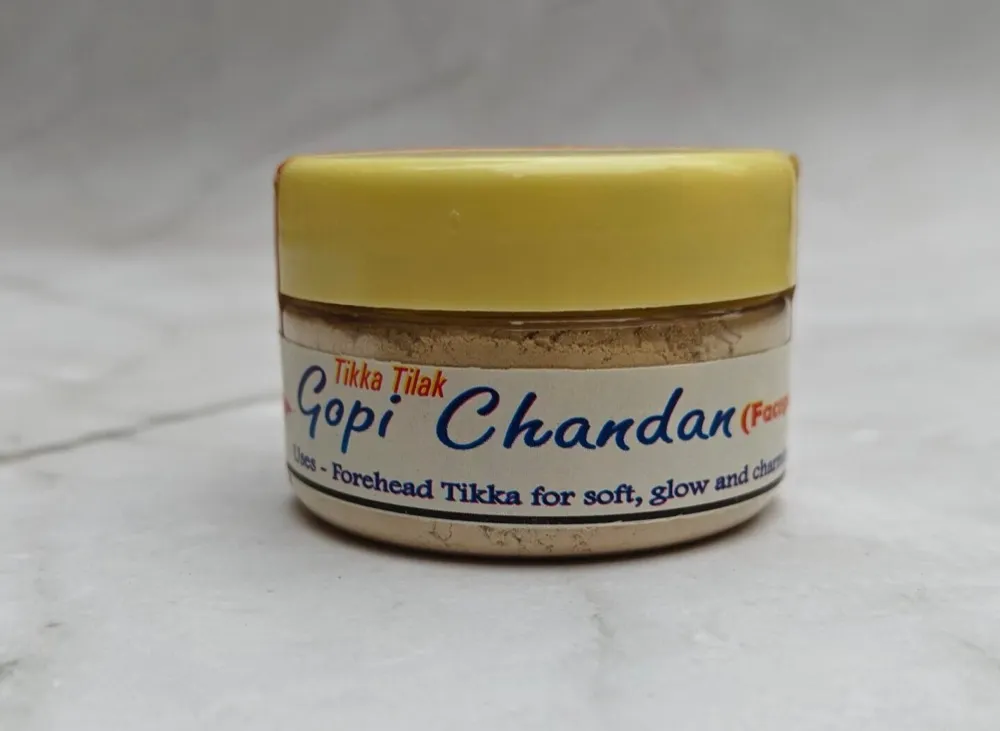
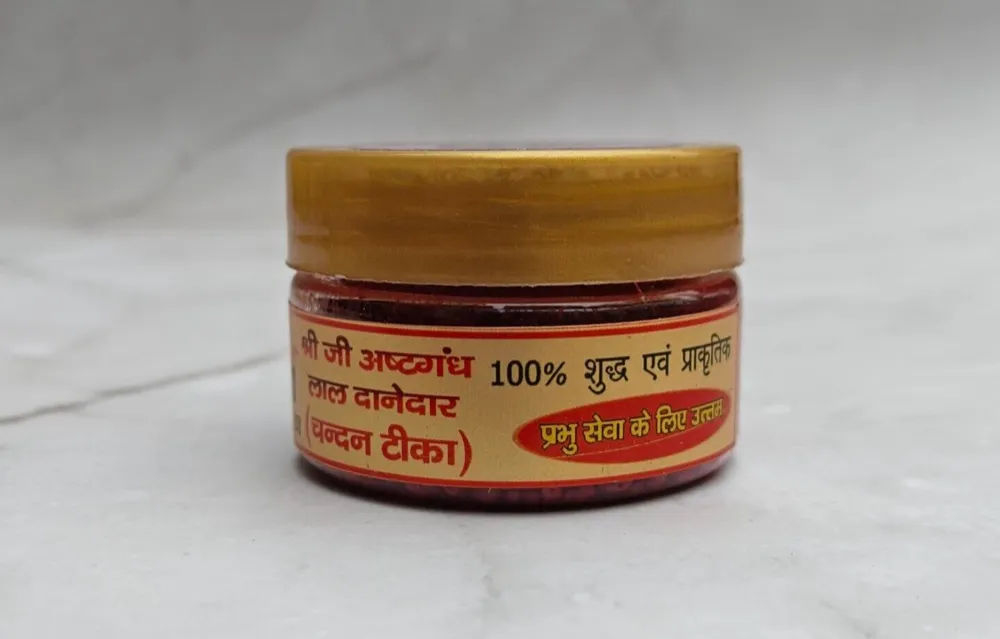
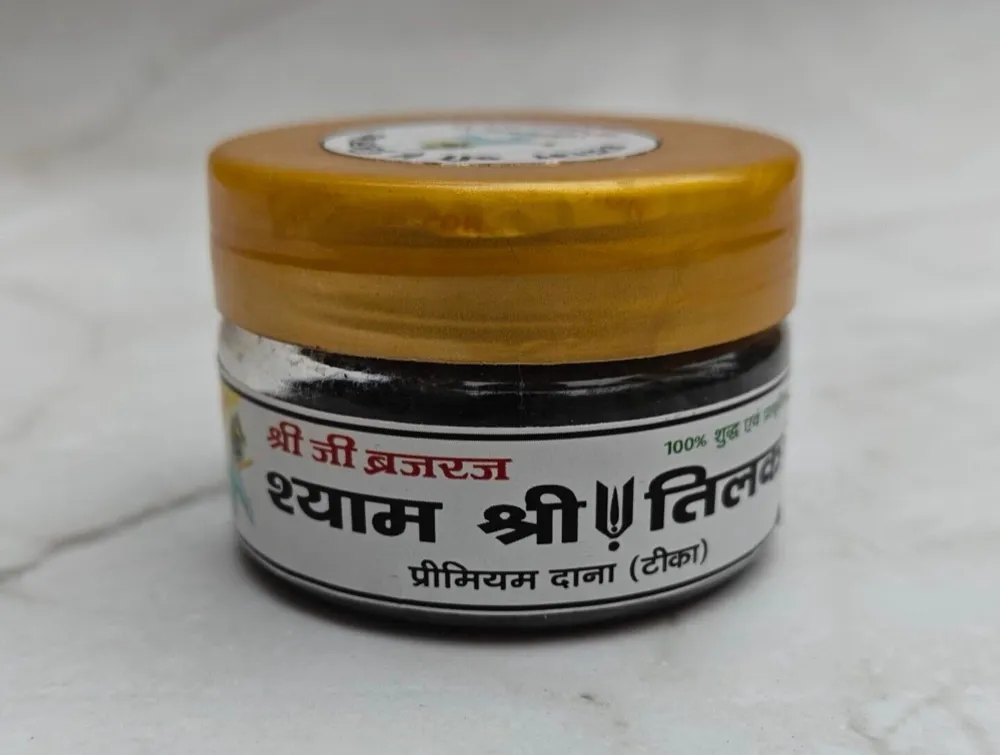
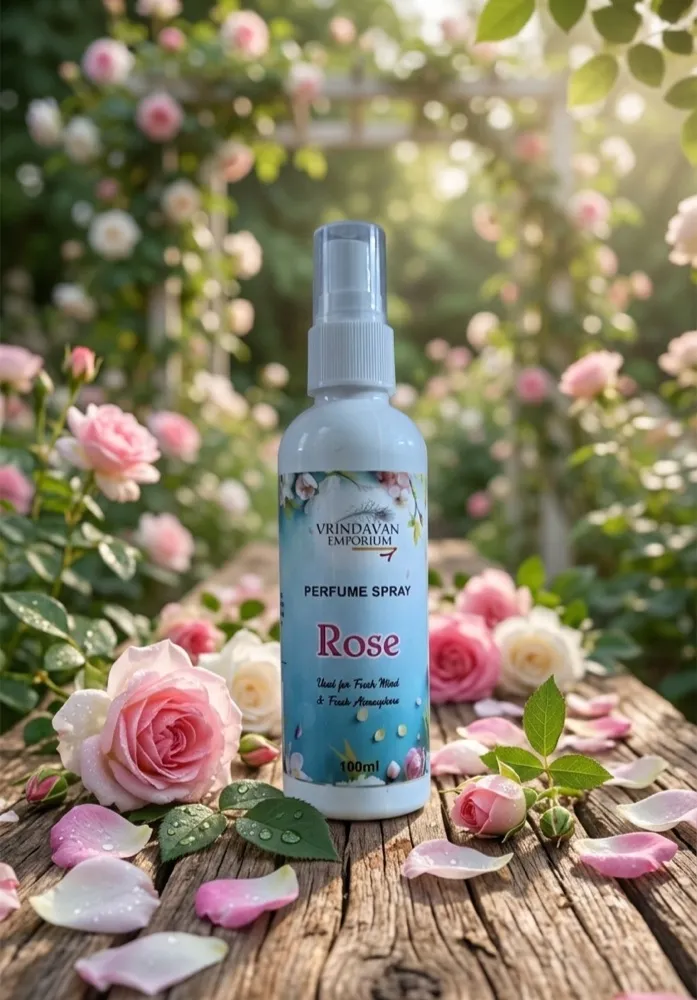
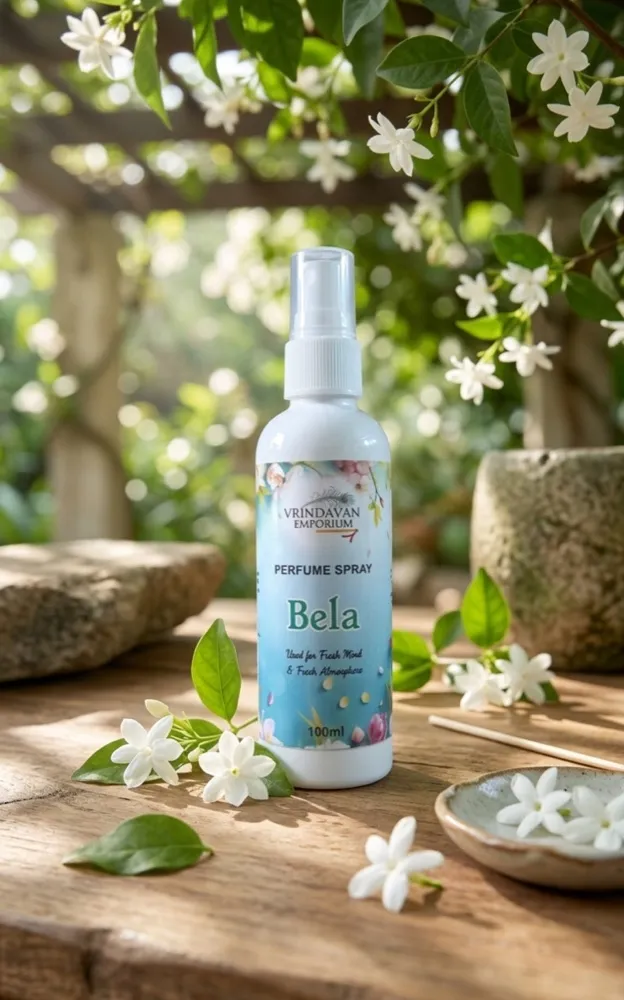
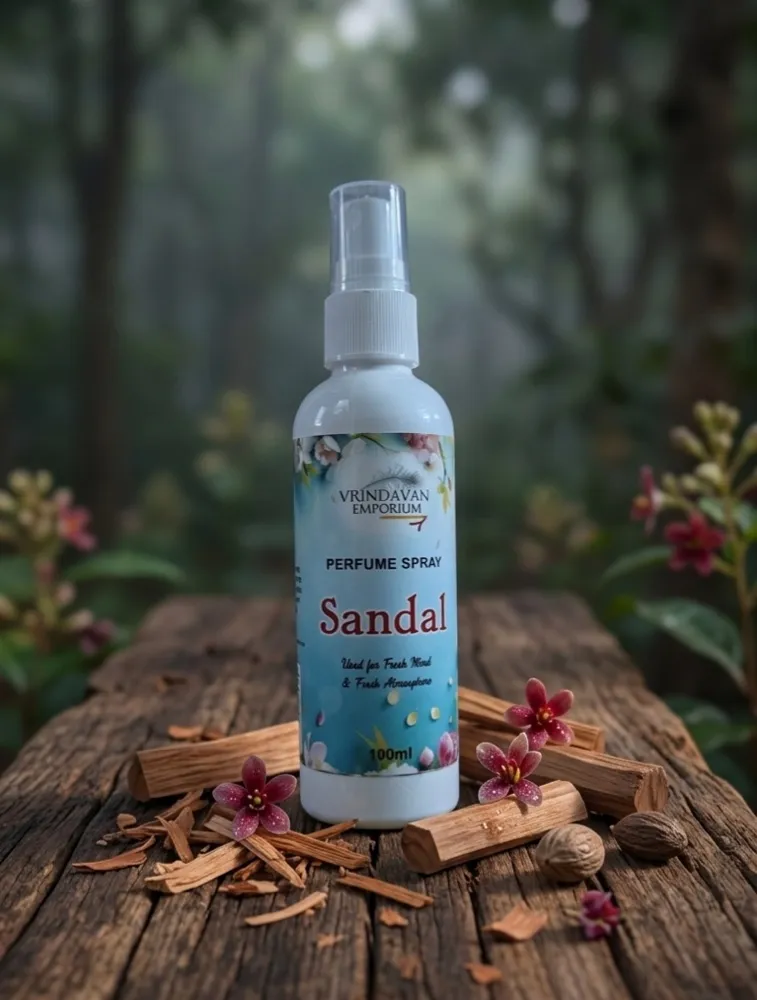
About Tilak, Attar & Dhoop
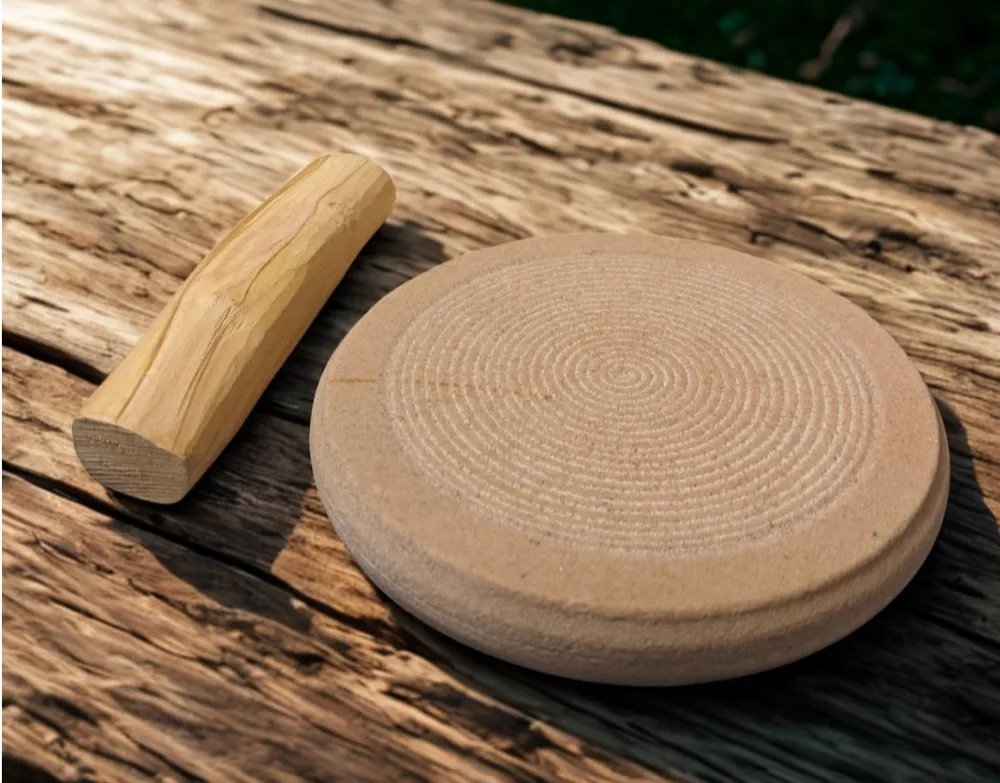
This collection holds the articles used to prepare for worship: the clay for tilak, the attar offered and worn, and the dhoop burned before the deity.
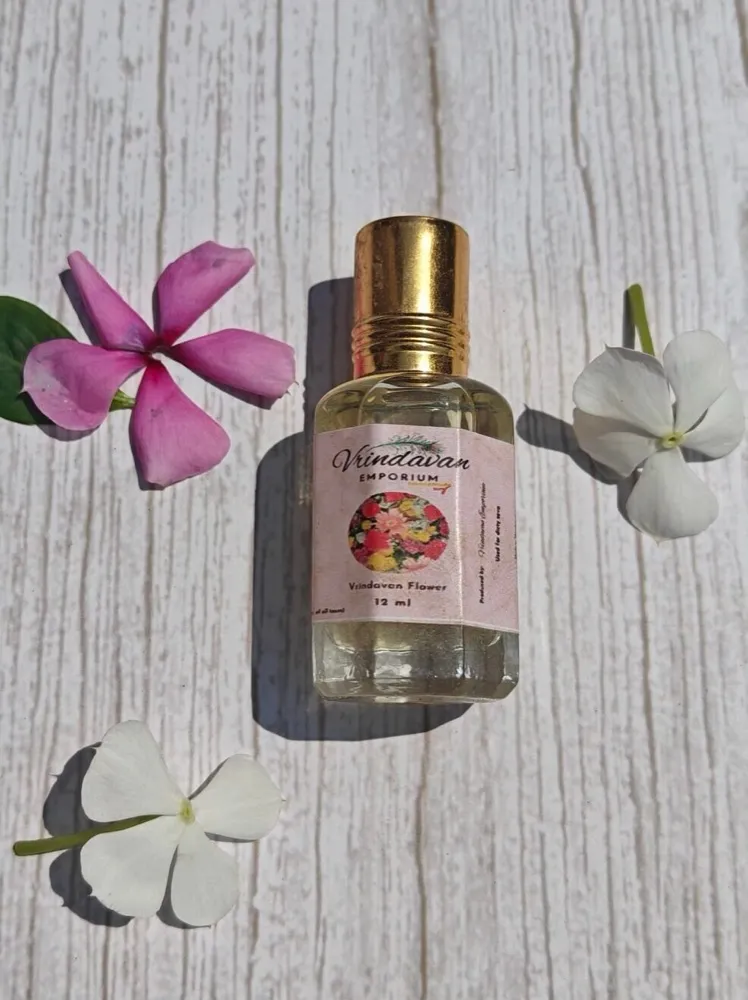
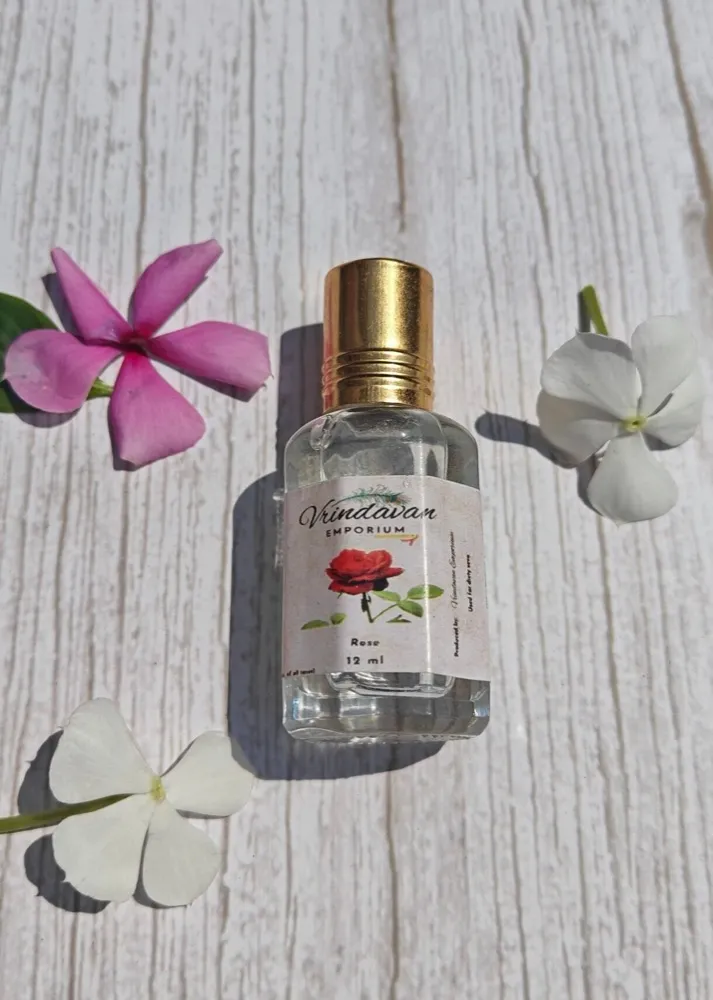
Attars offered for seva are oil-based and made without alcohol, which is the reason they are used in worship as well as on the body.
How to Choose
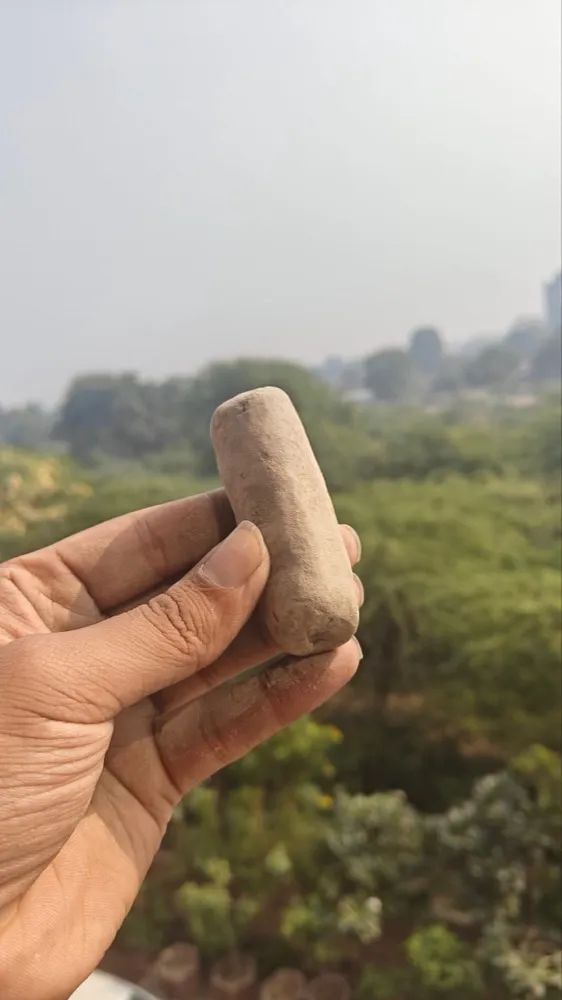
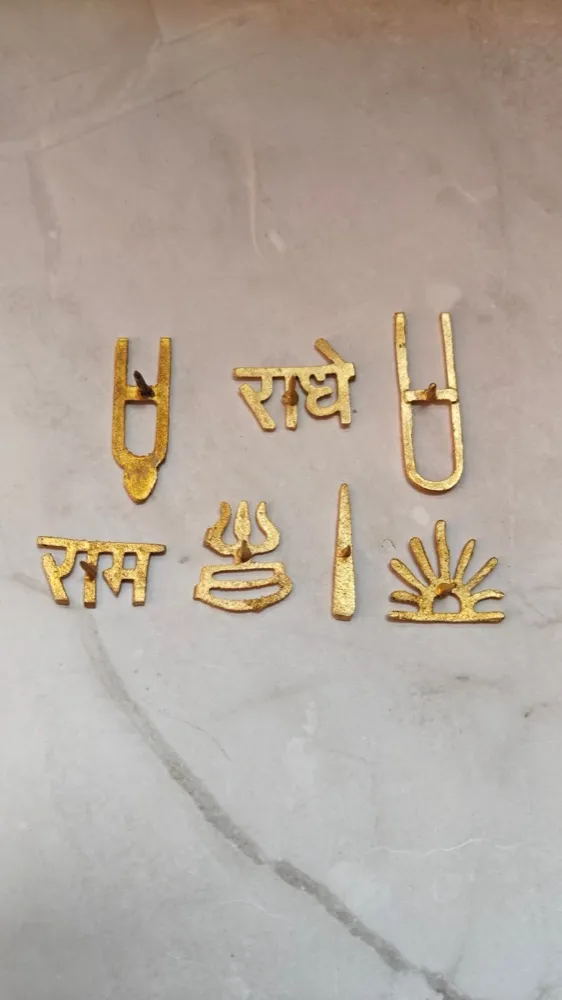
Gopi chandan and tilak
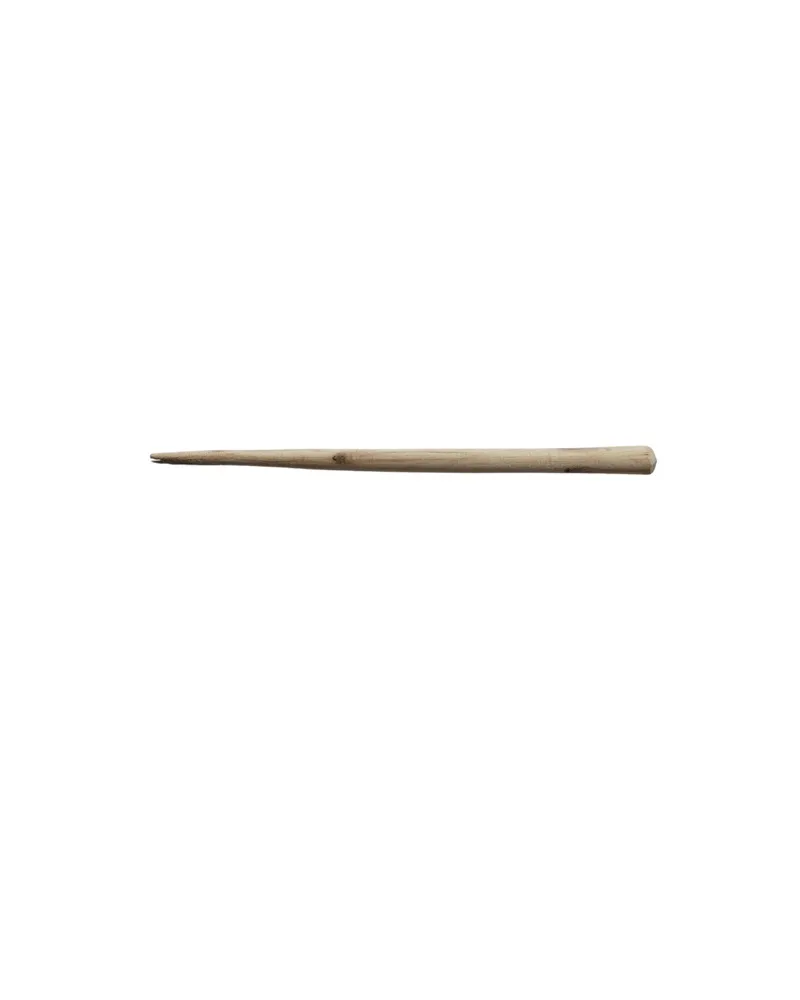
Gopi chandan is the pale clay used for the Vaishnava tilak. It is mixed with a little clean water and applied with the fourth finger, worked upward on the forehead. Sticks and cakes differ only in form, not in use.
Why alcohol-free attar
Alcohol-based perfume is generally avoided in deity worship. A true attar is a concentrated oil with no alcohol and no added water, which is why a single drop carries and why it is suitable to offer as well as to wear.
Choosing a fragrance
Sandal, mogra, bela, rose and kewra are the fragrances most used in daily worship. Choose by what is customary in your home practice; there is no ranking among them.
Dhoop
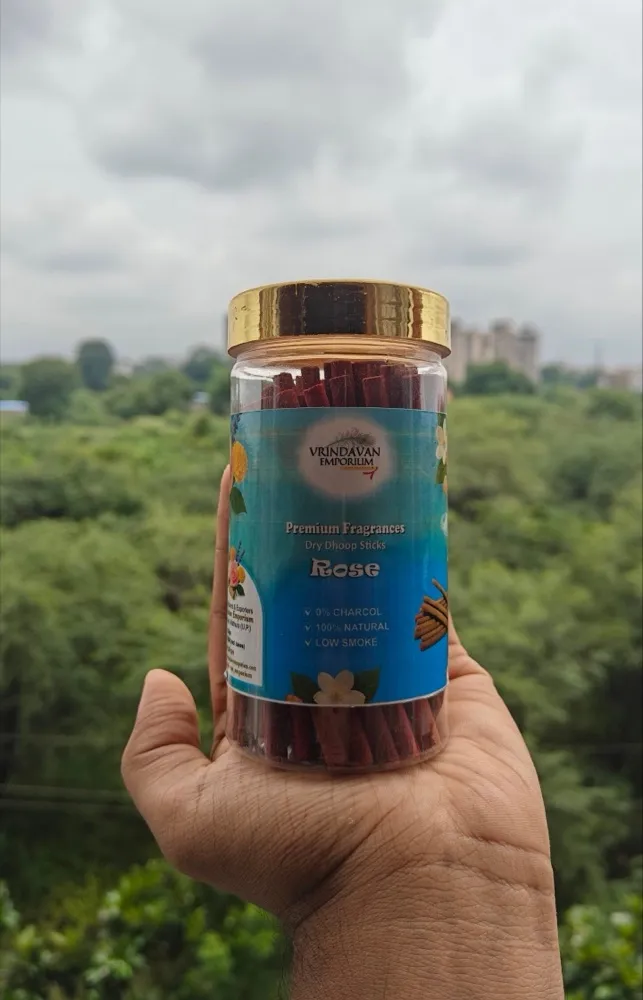
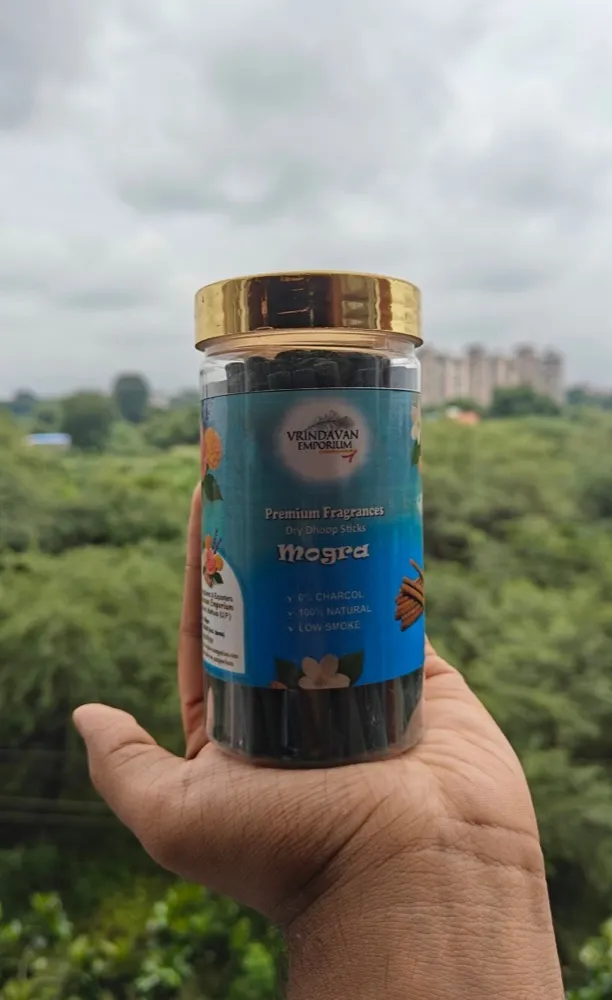
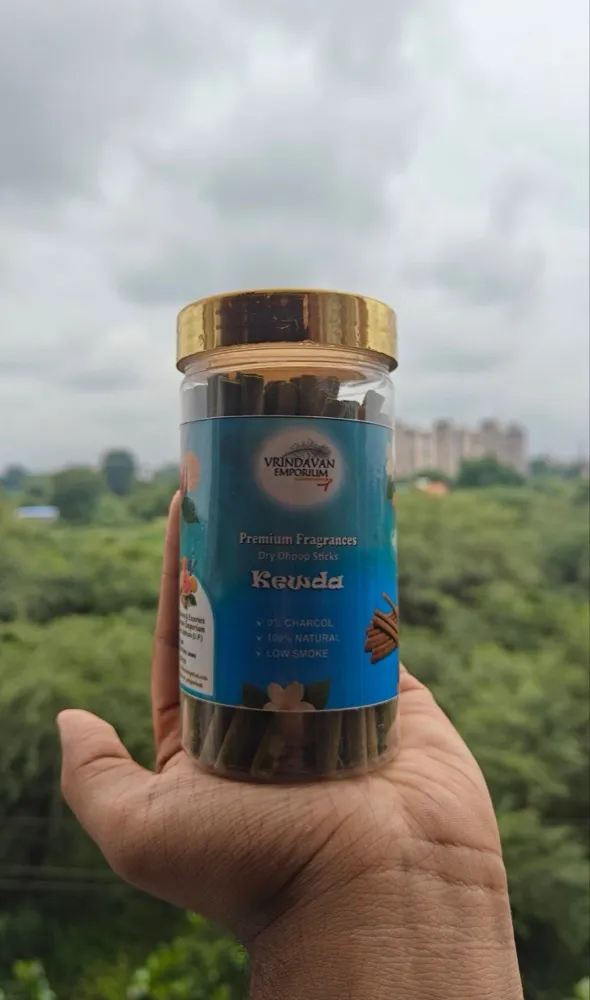
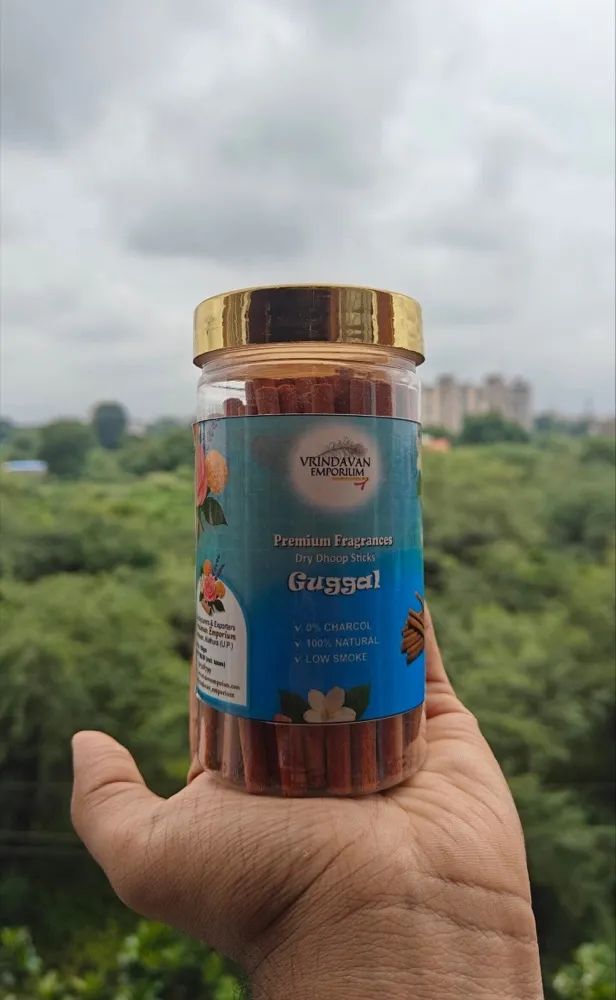
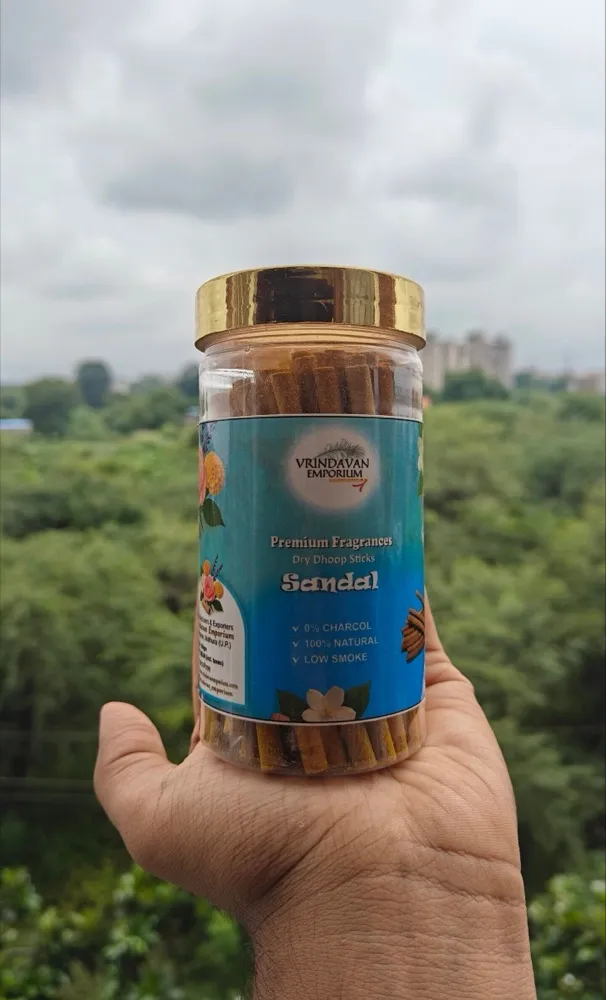
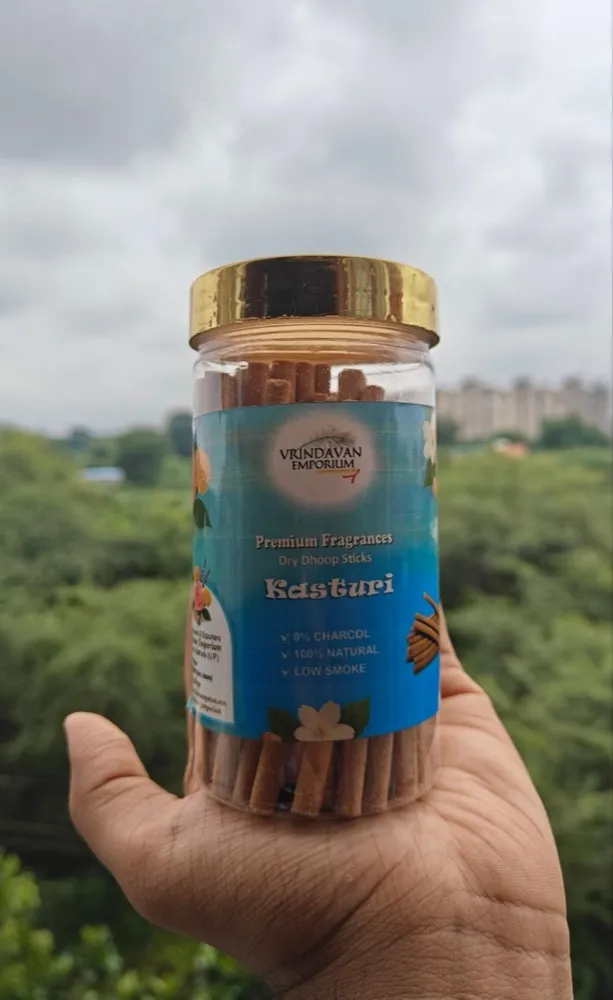
Natural dhoop is made from resins, woods and herbs rather than synthetic perfume. Light it, let the flame settle to an ember, place it in a holder, and burn it in a ventilated room.
Common Questions
- Is the attar in this collection free from alcohol?
- The attars offered for seva are oil-based and made without alcohol, which is what makes them suitable for offering in worship as well as for personal use.
- How much attar should be applied?
- A very small amount — a touch at the wrists, behind the ears or at the base of the throat. Because it is undiluted, one or two drops is enough.
- How is Vaishnava tilak different from other tilak?
- The Vaishnava mark is an upright form drawn on the forehead, understood in the tradition as marking the body as a temple. Its shape and the clay used differ from the horizontal marks of other traditions.